9:00 – 9:15 am
Opening Remarks & Welcome
9:15 – 10:15 am
Building Connections and Bridging Cultures
In this joint keynote, Dr. Gloria Ramírez and Dr. Jenna Woodrow bring together their personal and professional journeys to explore how multilingualism, interculturalization, and decolonization can create pathways to identity, belonging, and social transformation.
Drawing on her personal journey as a bilingual immigrant educator and scholar and over two decades of international research and practice across Colombia, England, Argentina, the US, and Canada, Dr. Ramírez reflects on her work in bilingual literacy development, immigrant education, and intergenerational Indigenous language revitalization. Her projects, supported by SSHRC, the First Peoples’ Cultural Council, and other international grants demonstrate how culturally grounded research and pedagogy shape the questions we ask as researchers and teachers, bridge cultures, sustain identities, and disrupt colonial legacies.
Dr. Jenna Woodrow shares her personal and professional journey toward inclusive educational excellence, framed within the vision of Thompson Rivers University’s Strategic Internationalization Plan, highlighting efforts to decolonize curricula, collaborate with Elders, and expand access through open educational resources. Drawing on her experiences as a learner, a teacher, a scholar, and an equity advocate, she reflects on challenges faced and lessons learned in creating educational spaces that empower learners to become community-minded and globally conscious.
Both speakers emphasize the importance of dismantling systemic inequities, supporting international learners, and fostering authentic partnerships with Secwépemc knowledge holders. Together, their stories and scholarship converge on a shared vision: education as a space where multiple languages, worldviews, and ways of knowing flourish. By linking research with practice, and personal journeys with institutional commitments, they invite participants to reflect on how we might collectively create global learning communities rooted in justice, respect, and a shared love of learning.
Speakers
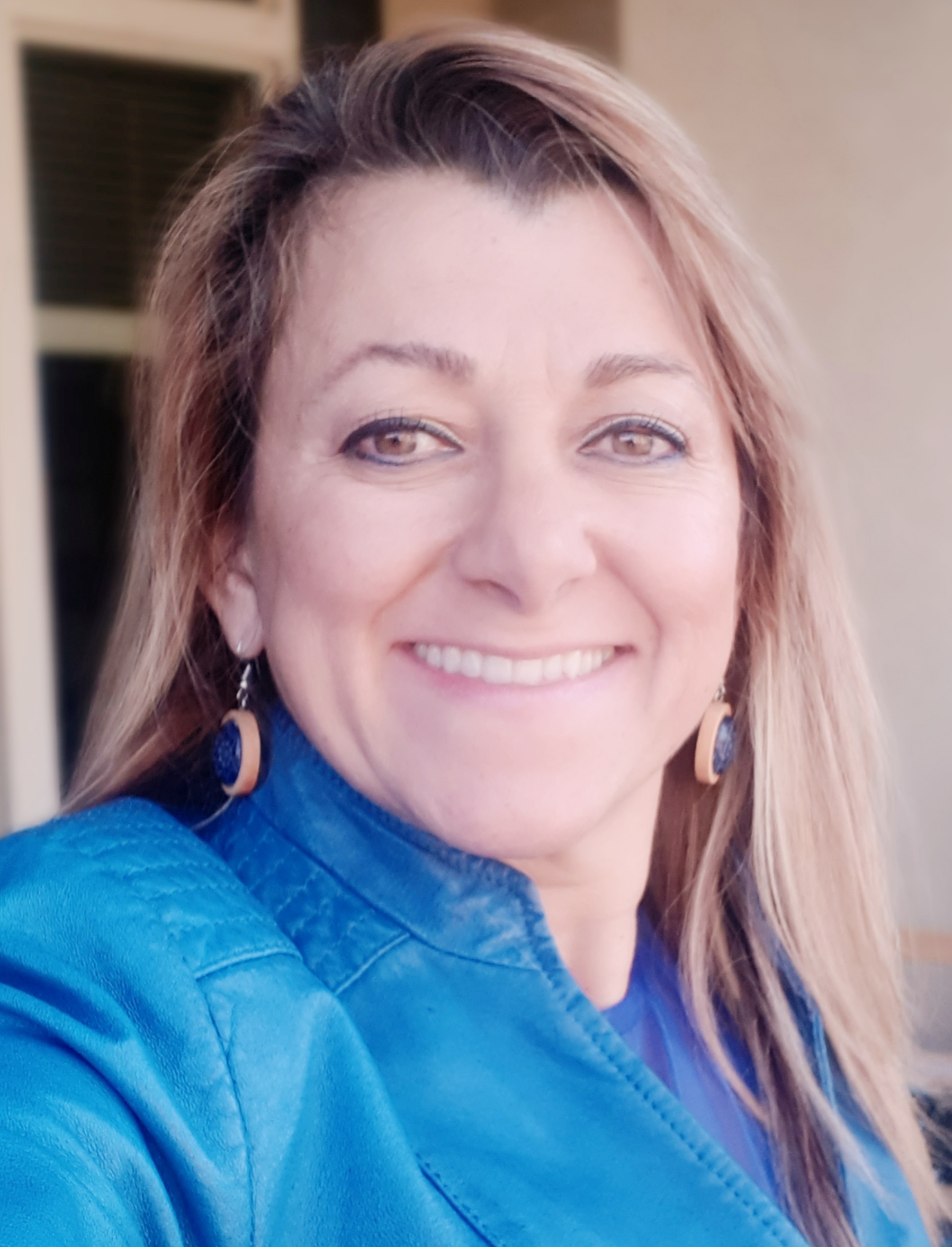
Dr. Gloria Ramirez
Full Professor at the Faculty of Education and Social Work
Dr. Gloria Ramirez is a Full Professor at the Faculty of Education and Social Work at Thompson Rivers University in Kamloops, BC, Canada where she has held various leadership roles including Education Graduate programs coordinator and B.Ed. Elementary program coordinator. An internationally recognized scholar in bilingual and multilingual literacy development, her research focuses on language and literacy learning among culturally and linguistically diverse children and youth, Indigenous language revitalization, and the educational experiences of immigrant populations. She also investigates effective methods for teaching reading to children from vulnerable populations. Her studies examining reading development in Spanish, English, Mandarin, and Secwepemctsín have been conducted in the US, Canada, Argentina, and Colombia. Over the past 13 years, she has collaborated with Secwepemc communities on Secwepemctsín revitalization in British Columbia, Canada.
Her work bridges developmental psychology, applied linguistics, and education, with a strong emphasis on interculturalization, decolonization, and community-based research. Dr. Ramírez has led and co-led numerous funded projects, including multi-year grants from the Social Sciences and Humanities Research Council of Canada (SSHRC) and the First Peoples’ Cultural Council, advancing intergenerational Indigenous language learning and pedagogically grounded literacy practices.
Dr. Ramírez is deeply committed to mentorship and community engagement. She has supervised over twenty graduate theses in education and serves on boards supporting literacy, immigrant services, and Indigenous language revitalization. Fluent in Spanish and English, with working knowledge of additional languages, she brings a global perspective to her scholarship and teaching.
She has over 30 academic publications including two books, several book chapters, and numerous journal articles in internationally recognized journals. Her research has been published in the Journal of Applied Psycholinguistics, Reading and Writing, Topics in language Disorders, Journal of Learning Disabilities, and Signos, among others. Her work has been supported by grants from The Social Sciences and Humanities Research Council of Canada, COLMEX, the First Peoples Cultural Council, and CONICET, among others.
Dr. Ramírez has received various recognitions and awards including the 2011-2012 Harvard Graduate School of Education, Jeanne S. Chall Visiting Researcher award, Five Thompson Rivers University Research Training Recognition awards, and most recently, the 2024-2025 Thompson Rivers University Excellence in Interculturalization award.
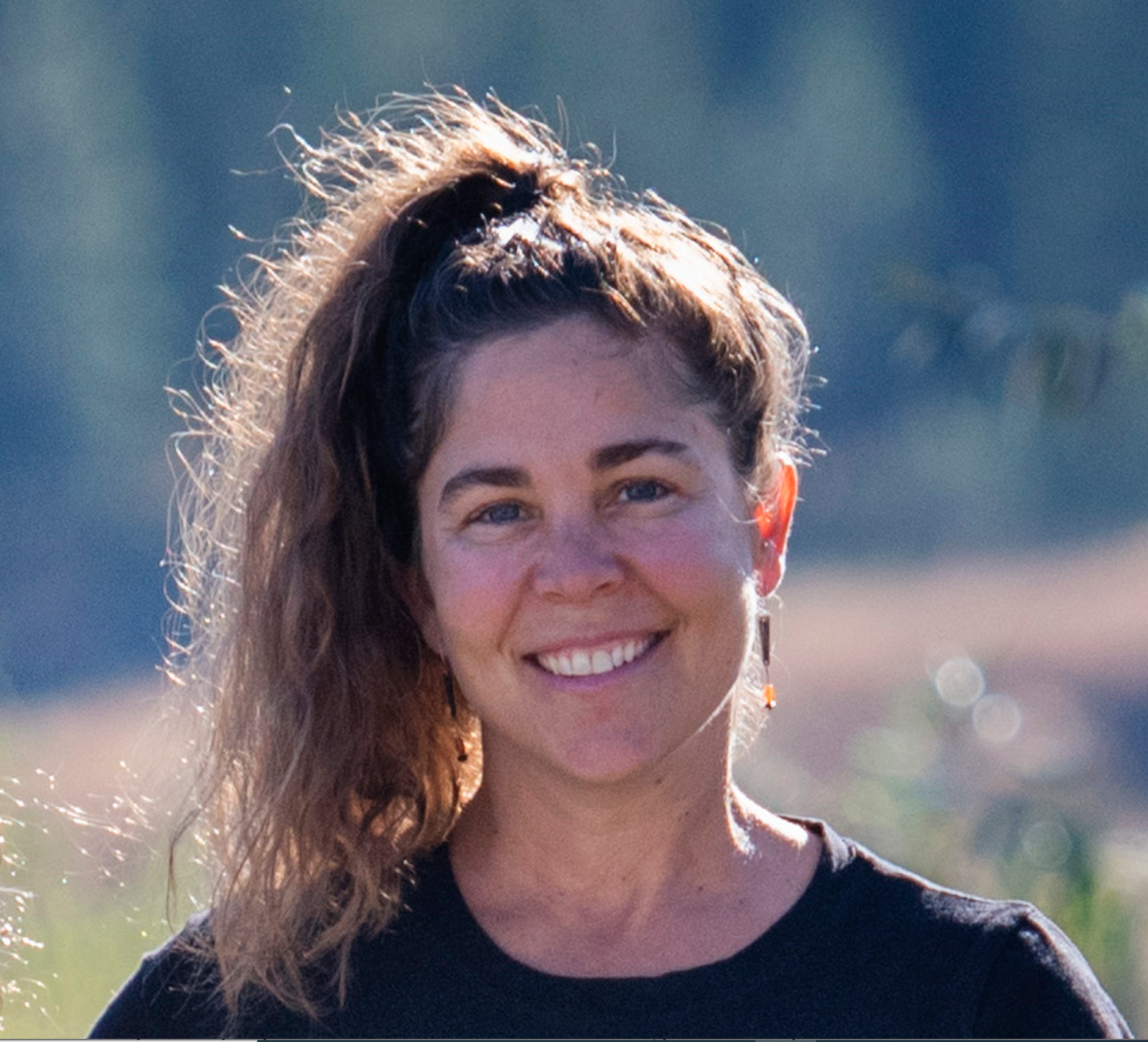
Dr. Jenna Woodrow
Associate Teaching Professor of Philosophy
Dr. Jenna Woodrow is an Associate Teaching Professor of Philosophy at Thompson Rivers University, located on the traditional and unceded lands of the Tk’emlúps te Secwépemc within Secwépemcúl’ecw—colonially known as Kamloops. Her teaching and research focus on the intersections of knowledge and justice. She explores how norms evolve, how relationships to land and people ground justification and accountability, and how gender, oppression, and colonization shape the production of knowledge and ignorance. She is deeply committed to education as a way of addressing epistemic injustice.
Dr. Woodrow incorporates these commitments into her pedagogy by working to decolonize and Indigenize classroom activities and assignments. She regularly integrates Elders into her teaching, enriching the classroom with intergenerational knowledge, and has developed curriculum that resists colonial structures, including site visits to residential schools to deepen understanding of historical trauma. She has authored three open-access textbooks, making her teaching materials freely available to all learners. Beyond her classroom impact, she facilitates professional development for colleagues and has served as Chair of the TRU Faculty Association Equity Committee for nine years.
She also serves as faculty advisor to the TRU Philosophy Club, is the Founding Chair of the Canadian Philosophical Association’s Decolonizing and Indigenizing Committee, a member of the Philosophy in the Schools Project, and Western Regional Director and Founding Member of Ethics Bowl Canada.
Jenna is originally from Kuujjuaq in Nunavik (northern Québec). Her parents, Louise Beaudoin and Keith Woodrow, and grandparents are from Montréal, known in Kanien’kéha as Tiohtià:ke, the traditional and unceded territory of the Kanien’kehá:ka Nation, long recognized as a gathering place for many Indigenous peoples. Both her children were born on Secwépemcúl’ecw, and she is grateful to live, work, teach, and learn in these beautiful lands.
10:15 – 10:30 am
Break with coffee and snacks
10:30 – 11:15 am
Poster Sessions
Presenter: Jerry Isaak (Faculty of Adventure, Culinary Arts and Tourism)
Additional Presenters and/or Contributors: James Rodger, Sharman Learie, Bridget Orsetti, Simon Ward-Able, Fred Amyot
Description: The Adventure Studies Department has facilitated internationalization for more than three decades through capstone expeditions in the Adventure Guide Diploma and International Field Schools in the Bachelor of Tourism Management degree. This poster will celebrate the accomplishments of students and faculty on international expeditions and will highlight the key pedagogical principles that support and guide these experiences.
The posters presented at the event supported the following goals and objectives of the SIP.

Goal 1: To empower members of the TRU community through curricula and support systems to become community-minded and globally conscious through international engagement.

Objective 1: Instill global competencies in learners through the institutional learning outcomes to foster a deep sense of social responsibility
Objective 2: Lead in the development and dissemination of innovative teaching and learning practices in higher education to strengthen the reputation of TRU as a hub for global engagement
Objective 3: Collaborate with faculty, staff and learners to reduce barriers to advance participation in internationalization opportunities
Presenter: Bala Nikku (Faculty of Education and Social Work)
Description: I read the TRU’s 2025-2035 Strategic Internationalization Plan, which outlines five goals. I see my work with TRU and EDSW aligns with all of these goals but more impactfully with goals number five: To lead the way in cultivating a culture of community mindedness with a global conscience by sharing educational practices, exchanging knowledge worldwide and taking a proactive role in addressing regional, national and global challenges through education and scholarship. I practice teaching as a scholarship that aligns with my teaching philosophy of crafting my classroom as a sanctuary and a dynamic, interactive place where I incorporate knowledge with the learning. I teach International Social Work, Community Social Work, and Green Social Work at TRU. I use MOOCS, Zero Textbook, and Open Educational Resources that allow diversity of learning and equity in accessing higher education learning. I derive and tailor teaching content to align with the learning outcomes and deep learning by integrating and embedding global justice and decolonial thinking in teaching and research I conduct with diverse communities in BC, Canada, and South Asian countries. I prepare and invest my skills to ensure that my pedagogical approaches create transformative educational experiences for TRU, domestic, and international learners. Building global partnerships and intercultural connections rooted in equity is central to my teaching and service projects. The research projects on envisioning disaster-resilient community futures, climate justice, Blue Carbon-based livelihoods, and circular economies are aligned with UN Sustainable goals, Canada’s Indo-Pacific strategy, and TRU’s vision and EDSW’s goals. I practice transdisciplinary work spanning Canada, Nepal, India, and Sri Lanka. I investigate how local knowledge systems, community science, and participatory research can inform more effective disaster risk reduction strategies. Over, my teaching, research, and service in the last 8 years with TRU have demonstrated leadership in global knowledge exchange and synthesis, focused on regional (wildfire disasters in BC) and international issues like Climate Justice and sustainable communities, which are core to TRU’s vision.
The posters presented at the event supported the following goals and objectives of the SIP.
Goal 5: To lead the way in cultivating a culture of community mindedness with a global conscience by sharing educational practices, exchanging knowledge worldwide and taking a proactive role in addressing, regional, national and global challenges through education and scholarship.
Objective 1: Instill global competencies in learners through the institutional learning outcomes to foster a deep sense of social responsibility
Objective 2: Lead in the development and dissemination of innovative teaching and learning practices in higher education to strengthen the reputation of TRU as a hub for global engagement
Presenter: Naowarat Cheeptham (Ann) (Faculty of Science – Biological Science)
Partners: Dr. Alice Sharp (CMU) and her team of staff, Dr. Joanna Urban (TRU)
Description: This poster presentation will showcase the International Field School (IFS) Thailand on Microorganisms, Human Impacts, and Climate Change that was offered in collaboration with the Chiang Mai University (CMU), Faculty of Science, Environmental Science International Program in May 2023.
For this IFS, the place-based and experiential learning approaches were employed as the centre for the curricular design. We aimed to develop global citizenship skills within the young generation of microbiologists through local and international contexts. The concepts of “Interconnectedness” and “One Health” were emphasized during our time in Chiang Mai, and specific case studies in Canadian and Thai contexts were assigned to students at both CMU and TRU before departure. The student participants, including 19 students from TRU and 9 from CMU, jointly worked in small research teams to identify the impacts of climate change on humans, the environment, and microorganisms. The outcomes of their work proposed solutions for the impact of climate change. The 2-week field school activities included lectures from local and international institutions, fieldwork, laboratory analysis, and group discussion and presentations. The cultural events augmented the academic program and provided opportunities for students. Reflections from students indicated that first-hand learning experience changed their perspective regarding the world and our crises. Collaboration of higher education institutes should be further strengthened to ensure that the young generations are equipped with the skills required for the future.
The posters presented at the event supported the following goals and objectives of the SIP.
Goal 5: To lead the way in cultivating a culture of community mindedness with a global conscience by sharing educational practices, exchanging knowledge worldwide and taking a proactive role in addressing, regional, national and global challenges through education and scholarship.
Objective 5: Strengthen TRU’s leadership in the post-secondary internationalization environment by sharing best practices, contributing to the global discourse, and leveraging our internal expertise for broader impact
Presenter: Thomas Waldichuk (Faculty of Arts – Geography & Environmental Studies), Madelene Kajusa (TRU M.Ed. student)
Description: Google Earth projects (or tours) can increase student engagement with geographic knowledge. This is exemplified by the curriculum in Geography 3900 Japan, in which students have worked in groups to create tours. It is also exemplified by a fourth year directed studies project where the student created a regional geography course of South Sudan using Google Earth.
In the Fall 2022 version of Geography 3900, students shared their tours with university students in Japan. Students who were studying to be elementary teachers at Kyoto Bunkyo University in Japan shared their tours of the Kyoto area with the TRU students, while students in the Geography 3900 class created tours of the Kamloops area for the students at Kyoto Bunkyo University. The students at both institutions then took the tours created by the other institution. Some students from Kyoto Bunkyo University sent video messages to the TRU students in which they described their impressions of the tours. TRU students gave video presentations of tours that the Kyoto Bunkyo students had shared with them. The students from both classes met online as a group once during the term. Some of the students from both classes met in Uji, Japan in the spring of 2023 while the TRU Geog3700 field course was taking place.
This experience enhanced TRU students’ geographic and inter-cultural learning, touching on the TRU Institutional learning outcomes: Connection, e.g., working in teams; Engagement, e.g., promoting lifelong learning; Exploration, acquiring knowledge, and Local-to-Global, e.g., intercultural awareness.
The directed studies project touched on many of the institutional learning outcomes above as well as some sustainable development goals, e.g., #4 (quality education). While referring to the SDGs, the student was able to decolonize how she viewed places like South Sudan and show how we are more globally connected than we think we are.
The posters presented at the event supported the following goals and objectives of the SIP.
Goal 1: To empower members of the TRU community through curricula and support systems to become community-minded and globally conscious through international engagement.
Objective 1: Instill global competencies in learners through the institutional learning outcomes to foster a deep sense of social responsibility
Objective 2: Lead in the development and dissemination of innovative teaching and learning practices in higher education to strengthen the reputation of TRU as a hub for global engagement
Presenters: Amber Archibald, Shari Caputo (School of Nursing)
Description: This poster will address how the faculty led field school in Nepal for 3rd year BScN students aligns with SIP goal #1. The poster will examine the history of TRU’s collaboration with Dhulikhel Hospital in Nepal and to the culture and people of Nepal. This was TRU’s first international collaboration which ran from 2000-2003 and allowed for reciprocal exchange of Nepali nurses and TRU students. The collaboration was re-initiated in 2023, led by faculty, Shari Caputo, who participated in the first exchange in 2000 as a BScN student.
The poster will address BScN students’ “lightbulb” moments of understanding the theory and practice connection during the field school. For example, TRU students observed Nepali nursing students complete health teaching and food preparation for toddlers during community home visits and students’ participated in a trash ‘challenge’ in the town both of which lead to empowerment of students and the community.
Lastly, the poster will highlight how experiential learning through cultural integration assists in the development of TRU students to become community minded and globally conscious. A key theme that emerged from TRU students during the field school has been an increased awareness of doing more with less. For instance, seeing Nepali nurses create a small garbage container out of newspaper for dressing changes waste, and being very mindful of not wasting supplies because patients were charged for this expense.
The posters presented at the event supported the following goals and objectives of the SIP.
Goal 1: To empower members of the TRU community through curricula and support systems to become community-minded and globally conscious through international engagement.
Objective 1: Instill global competencies in learners through the institutional learning outcomes to foster a deep sense of social responsibility
Presenter: Tara Duncan (Faculty of Adventure, Culinary Arts and Tourism)
Description: Tourism is a global activity yet practiced, experienced, performed and taught in local places. At TRU, the Tourism Department has always been deeply embedded in the local community. At the same time, Tourism also always looks outward, aware of the global challenges the tourism industry faces and what that might mean for our students. In this poster, we focus on the interconnections that the Tourism Department has to our global world. The poster will illustrate our regional embeddedness, our national reach and our international reputation. The poster will emphasize our scholarship, student experiences and faculty engagement. The goal is to highlight how the Tourism Department engages with TRU’s Internationalisation Strategy through our globally diverse, richly cultural and well interconnected faculty, students and industry.
The posters presented at the event supported the following goals and objectives of the SIP.
Goal 5: To lead the way in cultivating a culture of community mindedness with a global conscience by sharing educational practices, exchanging knowledge worldwide and taking a proactive role in addressing, regional, national and global challenges through education and scholarship.
Objective 5: Strengthen TRU’s leadership in the post-secondary internationalization environment by sharing best practices, contributing to the global discourse, and leveraging our internal expertise for broader impact
Presenter: Kellee Caton (Faculty of Adventure, Culinary Arts and Tourism)
Additional Presenters and/or Contributors: Adam Florence, David Hill, Anne Terwiel, Siobhan O’Kelly (Student Research Apprentice)
Description: Dr. Johnny Hull was a beloved member of the TRU Tourism Management Department who believed that the most important goal of both tourism practice, and the research and study of tourism in higher education, was to bring people together. He dedicated his professional life to this cause, and one of his finest contributions was the creation of TRU’s agritourism field school, held in collaboration with Castello Sonnino, an historic family business in Montespertoli, Tuscany. Interdisciplinary, experiential, and place-based, this field school provided students, faculty, and community members the opportunity to explore topics in the geography of agritourism, the philosophy of food, environmental sustainability and tourism, cultural identity, destination development, agritourism marketing, and outdoor lifestyle and food-and-sport touring management.
The field school made its inaugural run in 2023, with 17 participants. Johnny departed the earthly realm in 2024, and several of his colleagues took up the mantle to keep his efforts alive, proudly rechristening his project the John Hull Memorial Field School, and successfully bringing a group of 21 participants back to Castello Sonnino for a second iteration of experiential learning, cross-cultural exchange, and the seeding of what may well prove to be not only future collaborations but lifelong friendships. In both iterations of the field school, the demographic diversity of participants was the program’s strength. Students hailed from both TRU’s vocational Culinary Arts program and its more traditionally academic programs (on campus and Open Learning), with tourism, arts, and science majors all represented. Accompanying professors represented the disciplines or research areas of tourism, hospitality, culinary arts, environmental science, and philosophy. Two community members also joined in for each iteration. Crucially, our field school group also included a mix of Indigenous, international, and domestic participants; when combined with our Italian hosts, this diversity allowed for a deep level of cultural exchange that ran in many directions and deepened the experience for everyone.
Highlights of our two journeys to Italy included interactive lectures with both TRU faculty and local Italian professors and practitioners, but most especially experiential activities, including cooking classes, nature trekking, wine and olive oil tastings, museum visits, informal group dinners cooked by participants with local ingredients (followed by kitchen dance parties!), a TRU-student-hosted North American Indigenous dinner for our Italian hosts, and tours of local sustainable food businesses (e.g., an eco-farm, a winery, an ancient grains mill) that are working to preserve cultural traditions. We hope to keep Johnny’s vision alive by offering this field school every two years, and we have identified several directions for future improvement, including greater engagement with Kamloops and BC community food organizations, earlier planning to facilitate international student participation (a challenge in the past, due to visa issues), exploration of partnerships with other universities and colleges in BC and Ontario, and continued exploration of fundraising opportunities to defray costs for students (and faculty, who covered our own way to attend, with none of our costs being passed on to students).
Ultimately, the John Hull Memorial Field School has been a triumph of conviviality: the practice of being together in the spirit of friendship and feast. In our time in Italy, we were convivial in the sociological sense of coming together across cultures; in the Medieval historical sense of “eating, drinking, and being merry” together; in the activist sense that the term is used by the Slow Food movement to connote the benefits that tabling together to respect and draw pleasure from food brings, in terms of human health and community; and perhaps also in a new sense that we might call “intellectual conviviality”—the act of bringing our minds and bodies together around ideas and academic practices in ways that encourage both cognitive growth and ethical reflection on the kinds of people we want to be in relation to our communities and the land. Therefore, in addition to working toward ensuring the field school’s practical sustainability, we are also excited to begin to pursue research opportunities in educational philosophy and practice inspired by this creative and special educational experience.
The posters presented at the event supported the following goals and objectives of the SIP.
Goal 4: To enhance environments and opportunities to find enriching connections that inspire diverse cultural expressions, individual growth and foster life-long relationships.
Objective 2: Lead in the development and dissemination of innovative teaching and learning practices in higher education to strengthen the reputation of TRU as a hub for global engagement
11:15 – 12:00 pm
Roundtable Sessions
Presenter: Vivek Kumar, Ajay Dhruv, Ghazanfar Latif, Md Moniruzzaman, Quan Nguyen (Faculty of Science – Computing Science)
Description: Thompson Rivers University has long carried a mandate to create welcoming pathways for Secwépemc and other Indigenous learners. Despite well-intentioned recruitment drives and student-support services, first-year withdrawal and course incompletion rates for Allied Health and STEM programs are quite low.
Cultural dissonance to Indigenous world-views and classroom instruction abstracted from land lead to disengagement of Indigenous learners when their study and assessment activities remain abstracted from local realities. Inclusion of locally relevant material, place-based pedagogy, land-based curricula and listening-to-learn model have shown significant potential to reverse these trends to strengthen Indigenous retention and identity. Considering these, we propose to combine two potent forces: Land-based Indigenous knowledge and recent advances in Generative artificial intelligence.
Land-based education sees land as a living relative and teacher, involving experiential learning with a deep connection with nature. It has demonstrated its power to foster relational accountability and ground abstract scientific concepts in the stories of place. Recent research shows that on-the-land modules improved student resilience, cultural pride, sense of belonging and year-to-year retention. Further, integrating Indigenous protocols (e.g., talking circles, Elder mentorship, local ecological examples) was found to be the most cited support category for Indigenous students staying in STEM programs.
Generative AI, when guided by ethical protocols and Indigenous community authority, offers a toolset for rapidly adapting instructional materials to Indigenous cultural contexts while maintaining academic rigour. A generative AI model can ingest authoritative Indigenous knowledge, institutional learning outcomes, discipline-specific content and assessments package, and then produce lesson plans, readings, revised assessments and rubrics. Such responsiveness demands a dynamic system that learns with the community and evolves with the integration of land-based Indigenous knowledge and content.
The roundtables at the event supported the following goals and objectives of the SIP.
Goal 3: To continue to expand access and supports for internationalization efforts with Tk’emlúps te Secwépemc and T’exelc. Actively work to address and dismantle the systematic inequities rooted in colonial history and their ongoing impacts.
Objective 1: Instill global competencies in learners through the institutional learning outcomes to foster a deep sense of social responsibility
Presenter: Geoff Fink (Faculty of Science – Engineering)
Description: This proposal outlines the next phase of development for the Engineering International Field School. In May 2024, a successful 19-day pilot program was delivered in Guadalajara, Mexico, for seventeen students. The program integrated technical workshops in Python and machine learning with deep cultural immersion. Key successes included collaborative projects between Canadian and Mexican students, the establishment of a formal Letter of Understanding with the University of Guadalajara, and a unique, facilitated knowledge exchange between Canadian and Mexican Indigenous students.
The field school demonstrated a replicable model for integrating meaningful international experience into a rigidly structured engineering program without disrupting academic progression. While successful, the program currently operates as an ad-hoc, non-credit event. The next critical step is to transition this proven concept into a sustainable, for-credit course to ensure its long-term viability and deepen student learning outcomes through structured reflection.
This roundtable session invites colleagues to provide feedback and share insights on strategies for this transition. The discussion will focus on navigating the curriculum approval process, designing appropriate assessments for experiential learning, securing sustainable funding now that the initial GSO funding is ending, and expanding the Indigenous knowledge exchange component within a formal course structure.
The roundtables at the event supported the following goals and objectives of the SIP.
Goal 5: To lead the way in cultivating a culture of community mindedness with a global conscience by sharing educational practices, exchanging knowledge worldwide and taking a proactive role in addressing, regional, national and global challenges through education and scholarship.
Objective 1: Instill global competencies in learners through the institutional learning outcomes to foster a deep sense of social responsibility
Objective 2: Lead in the development and dissemination of innovative teaching and learning practices in higher education to strengthen the reputation of TRU as a hub for global engagement
Objective 5: Strengthen TRU’s leadership in the post-secondary internationalization environment by sharing best practices, contributing to the global discourse, and leveraging our internal expertise for broader impact
Presenter: Dr. Tanya Manning-Lewis (School of Education), Mamathashree Yogananda (TRU M.Ed student) and Victoria Elliot (TRU M.Ed student)
Description: The first thought that came to mind when I saw the call for proposals was how can we claim to support internationalization and international learners if we are not listening to them? The second thought was how many international students I could reasonably invite to be part of this roundtable! For the team submitting this proposal, providing exceptional support services that ensure the academic and personal success of international learners and contribute to the regional and global community must start with students, which begs the question, why can’t they lead a session at the Global Horizons conference? They will challenge us to rethink what true support for success looks like and how to shift from services added for students to support built with them- a central tenet for success. The session emerges from students’ shared stories and the work I have been doing for the last two years with international students, which includes extensive supervision of projects and theses and supporting many students annually to national and international conferences. I have gained immensely from these collaborations, and as such, I argue that universities must move beyond transactional approaches in internationalization and build support services for international learners that view them as knowledge holders whose contributions enrich our communities. Student voice is not simply an addition to existing structures but a catalyst for reimagining them. The recent decline in international student enrollment reveals that much is at stake, as we witness a profound loss of intercultural development, cultural enrichment, connection in university spaces and a ripple effect far beyond campus.
As such, this roundtable will invite participants into a candid conversation with the team to explore what exceptional support built and defined with students looks like. We will also challenge participants to think about where we go from here, with and without student input.
The roundtables at the event supported the following goals and objectives of the SIP.
Goal 2: To continue providing exceptional support services that ensure academic and personal success of international learners and contribute to the local region and global community.
Objective 1: Instill global competencies in learners through the institutional learning outcomes to foster a deep sense of social responsibility
Presenters: Anne Terwiel, Adam Florence (Faculty of Adventure, Culinary Arts and Tourism)
Description: In June of 2025, 21 members of the TRU community attended a Field School in Montespertoli, Italy. Of those 21 participants, 5 were First Nations and Metis, 4 were trades students (Culinary Arts) who had an opportunity for a leadership role in an academic setting, 3 were faculty, 1 was staff. Several international students applied for the program but were unable to attend due to VISA problems. Under the umbrella Slow Tourism (a sustainable form of tourism) the Field School focused on Food Tourism, Agritourism and Sport Touring. Students experienced lectures by local Italian professors, experiential activities with scholars, farmers and guides, and created experiences for out hosts. It was a true cultural exchange.
The roundtables at the event supported the following goals and objectives of the SIP.
Goal 5: To lead the way in cultivating a culture of community mindedness with a global conscience by sharing educational practices, exchanging knowledge worldwide and taking a proactive role in addressing, regional, national and global challenges through education and scholarship.
Objective 1: Instill global competencies in learners through the institutional learning outcomes to foster a deep sense of social responsibility
Objective 2: Lead in the development and dissemination of innovative teaching and learning practices in higher education to strengthen the reputation of TRU as a hub for global engagement
Objective 4: Develop a communications strategy to effectively showcase the impact of TRU internationalization efforts, fostering global awareness and engagement among all members of our community and partners
Objective 5: Strengthen TRU’s leadership in the post-secondary internationalization environment by sharing best practices, contributing to the global discourse, and leveraging our internal expertise for broader impact